
Speaking
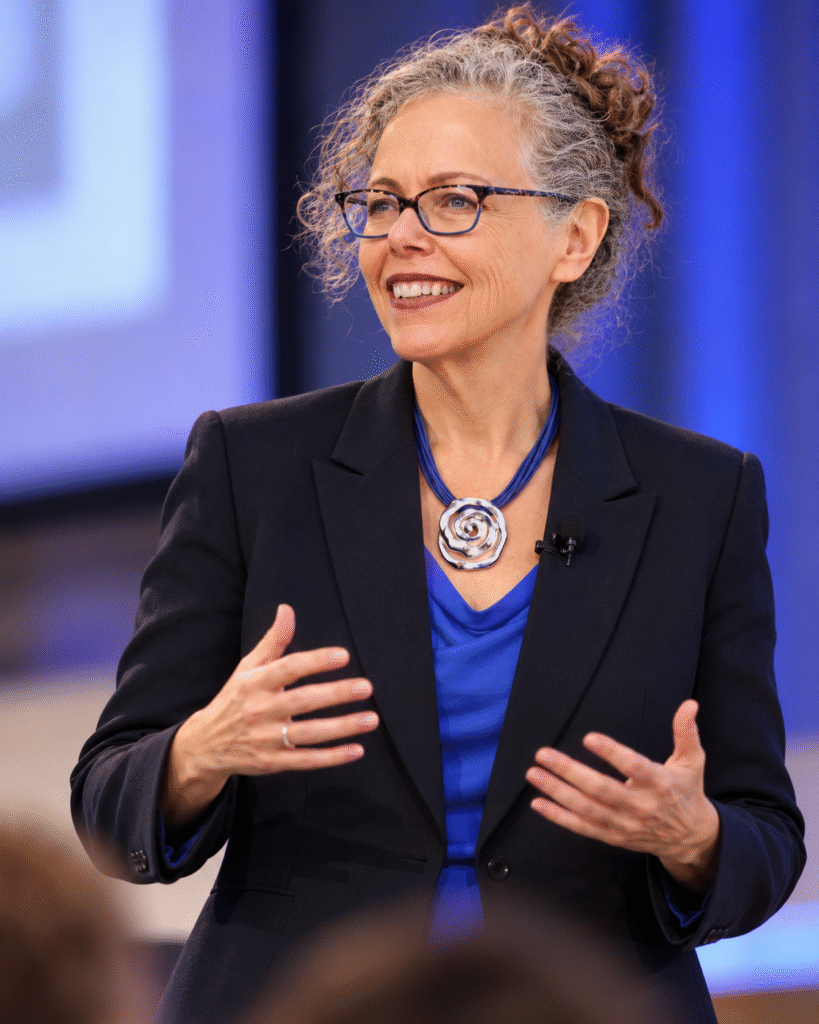
Conversations Worth Having
Some of the most meaningful conversations begin when someone shares an experience and the rest of the room recognizes a little of themselves in it.
That’s what I hope to create when I speak: opportunities to look at familiar experiences from an unfamiliar perspective, challenge long-held assumptions, share a laugh, and perhaps leave with a different understanding of ourselves or the people around us.
My speaking draws on decades of professional experience, my work with Internal Family Systems (IFS), and the personal stories I’ve collected along the way. I bring those perspectives together through storytelling, humor, and a willingness to explore subjects that aren’t always easy to talk about.
The Stories We Carry: Parts, Identity & Personal Change
We all carry stories about who we are, what we’re supposed to accomplish, how we should behave, and what other people expect of us.
Some of those stories have served us well. Others have quietly shaped our lives in ways we may not recognize until something challenges them.
As a Certified Internal Family Systems Practitioner, Certified Coach, and Certified Grief Recovery Specialist, I’ve spent years helping people explore the Parts of themselves that influence how they experience relationships, responsibilities, achievement, loss, and change.
I especially enjoy conversations with women navigating the complicated intersections of professional life, personal expectations, family relationships, caregiving, identity, and the transitions that come with growing older.
These are subjects that matter whether we’re gathered in a corporate conference room, at a professional women’s event, or around a table with friends.
Topics for Conversation
Befriending Your Inner Critic
Most of us have an internal voice that insists we should be doing more, doing better, or getting everything right. What if that voice isn’t an enemy to silence but a Part of ourselves worth getting to know?
The Stories We Inherit
Our families and early experiences shape beliefs about money, success, relationships, responsibility, and who we’re allowed to become. Exploring those inherited stories can help us decide which ones we want to keep.
The Human Side of Change
Even changes we welcome can bring fear, uncertainty, and conflicting emotions. Understanding those reactions can help us move through transitions with greater awareness and compassion.
Beyond the Roles We Play
Professional, partner, parent, caregiver, friend. We can become so accustomed to meeting expectations that we lose sight of our own needs, values, and identities. What happens when we begin looking beyond those roles?
Grief, Identity & Finding Our Way Forward
Loss changes us. Whether we’re grieving a person, a relationship, a career, or a future we imagined, grief can challenge our understanding of who we are and what comes next.
Scams, Prevention & the Human Cost of Fraud
For decades, my professional career has involved banking, payments, and fraud prevention. Much of that work has focused on detecting fraudulent activity, stopping criminals, and protecting financial institutions, merchants, and the systems through which money moves.
More recently, I’ve become increasingly concerned about the devastating impact scams have on individuals and families.
Scammers deliberately exploit fundamental human needs for trust, connection, love, and security. Their actions can leave people facing financial devastation, shame, isolation, and a profound loss of confidence in their own judgment.
I believe we need a more comprehensive and coordinated approach to fighting scams, one that begins by stopping fraudulent texts, calls, emails, and messages before they reach their intended victims. Banks, telecommunications providers, technology platforms, payment providers, government agencies, and other organizations all have roles to play in detecting and disrupting scam activity.
Education matters, too, but we cannot place the entire burden of prevention on the people being targeted. When scams succeed, victims deserve practical assistance, accessible reporting and recovery resources, and compassionate support rather than blame.
Topics for Conversation
Stopping Scams Before They Reach Us
How organizations across industries can work together to intercept fraudulent communications, disrupt criminal activity, and reduce opportunities for scammers to reach individuals.
The Human Side of Scams
How scammers exploit trust, fear, urgency, affection, and the desire for connection, and why the assumption that victims should have known better misunderstands the deliberate nature of manipulation.
Beyond Victim Blaming
How shame, stigma, and judgment compound the damage caused by scams and can prevent people from reporting incidents or seeking help.
From Fraud Detection to Human Protection
How decades of institutional fraud-prevention experience can inform a broader approach focused on protecting individuals, preventing harm, and supporting recovery.
Scam Awareness, Education & Victim Support
Practical ways individuals, families, communities, and organizations can recognize scam activity, respond effectively, and better support people who have been targeted.
Experience & Perspective
My career has spanned banking, payments, fraud prevention, association leadership, and educational programming. I’ve spent years developing conference content, working with industry experts, and facilitating conversations about complex challenges facing businesses and consumers.
Alongside that career, I’ve worked extensively with individuals through IFS and coaching. I’m also a writer, drawing on family experiences, relationships, grief, creativity, and the often surprising ways life unfolds.
These different worlds have given me a broad perspective and no shortage of stories to tell.
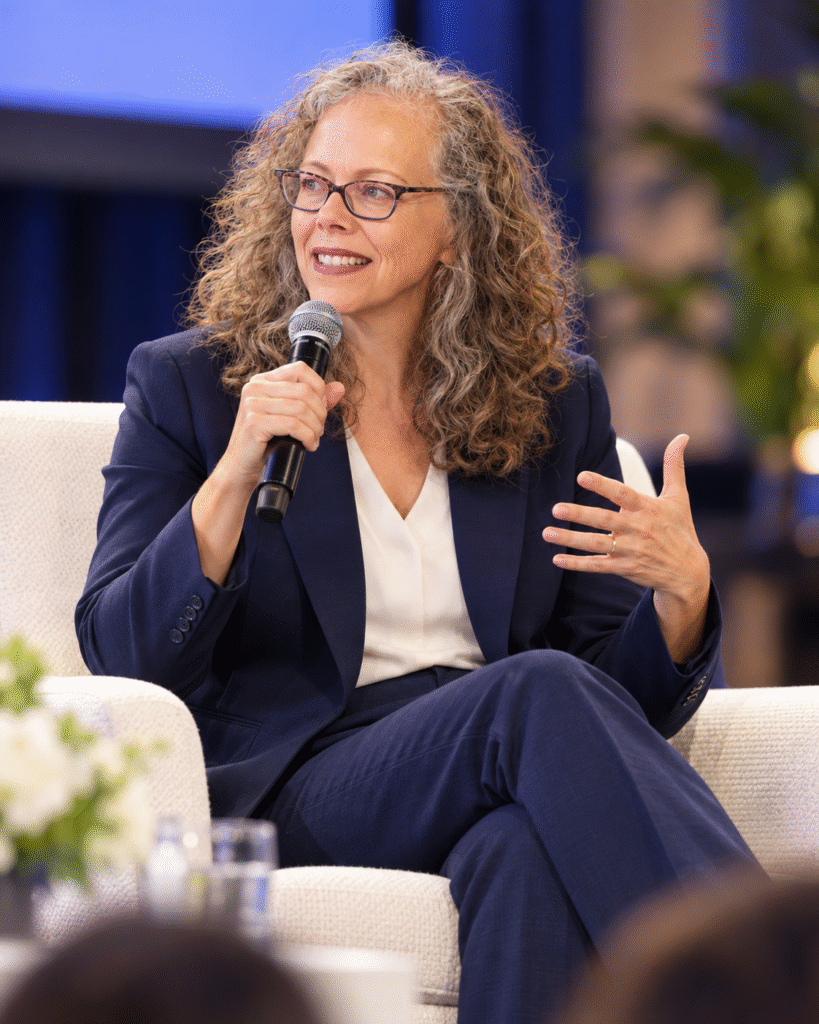
Let's Start a Conversation
I welcome speaking opportunities with women’s groups, employee resource groups, professional associations, community organizations, conferences, and other gatherings interested in meaningful conversations about the human experience.
I also welcome opportunities to contribute to scam-awareness initiatives, fraud-prevention programs, consumer-protection efforts, and discussions focused on protecting individuals and supporting victims.
Whether you’re planning an intimate gathering or a larger event, I’d love to hear about your audience and what you’re hoping to accomplish.